
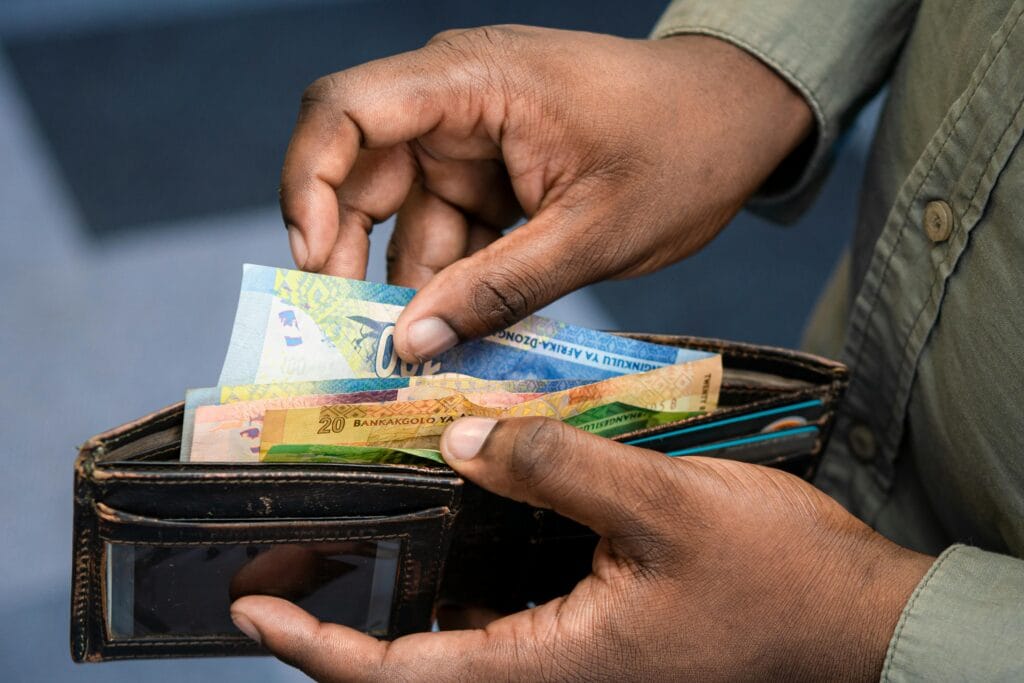
This article will show you how to make a budget with your NSFAS allowance as a student in South Africa. Managing money as a student can be very difficult, especially if you are only relying on one source of income, which is NSFAS allowance or a bursary. Without a proper plan, your money can easily run out very quick, leaving you struggling to pay for expenses like food, transport, cosmetics and accommodation.
A good budget will help you manage your money wisely and help you to avoid unnecessary stress whilst you are busy concentrating on your studies. This guide will show you how to create a student budget and how to stick to that student budget, ensuring you that you always have enough for what matters most to you.
💡 Why is Budgeting Important for Students?
Budgeting helps students to:
- Avoid overspending – It is easy to spend too much on things that are not essential or important for everyday life if you do not have a budget.
- Prioritise necessities – A budget ensures that you can cover rent, tuition, and food while you still have some money to save.
- Save for emergencies – Having even a small amount of money saved can help you in tough situations that can show up unexpectedly.
- Build financial discipline – Learning about money and how to manage it will help you now and in the future.
📝 Steps to Take When Creating a Student Budget
1. List Your Expenses
You have to write down all your expenses in order to get a clear picture of where you spend your money. Split them into two groups:
• Fixed Expenses (Stay the Same Each Month)
- Rent or campus accommodation
- Tuition fees (if not fully covered)
- Internet and data
- Transport costs
• Variable Expenses (Change Monthly)
- Food and groceries
- Toiletries and cleaning items
- Airtime and extra data
- Social activities and entertainment
2. Calculate Your Income
Before making a budget, you first need to know how much money you have. This can be the money that comes from:
- NSFAS allowances for food, transport, and books
- Bursary payments or stipends
- Part-time jobs (if you work while studying)
💡 Tip: Write down the exact amount you receive every month so that you can plan properly.
💸 How to Allocate Your Money
Once you know your income and expenses, you will have to set the limits for each category. Here is an example of a student budget using NSFAS Allowance:
Adjust all these amounts based on your personal situation. For example, if your accommodation is fully covered by NSFAS, you can allocate more money to other expenses.
3. Track Your Spending
To make sure that you follow your budget, you have to keep the track of your monthly expenses, this will help you to see where your money is going and where you can cut other costs.
Here are some tools you can use to track your spending:
- Budgeting apps – Wallet or Money Manager
- Spreadsheets – Use Excel or Google Sheets
- Notebook – Write down your daily expenses
📌 Pro Tip: Check your spending every week and make adjustments if needed.
📍 How to Stick to Your Budget
Creating a budget is only useful if you follow it. Here is how to stay on track:
- Avoid impulse spending – You have to think before you buy something you do not need.
- Use student discounts – Many shops and transport services offer student discounts.
- Set spending alerts – Some bank apps in South Africa allows their clients to track their spending and send them notifications when they are close to the limit.
🧠 Ways to Save Money as a Student
- Shop Smart – Try to buy things in bulk to save money. Look out for specials at stores like Boxer, Shoprite, or Pick n Pay and use their loyalty cards to get discounts or cashback.
- Cook at Home – Buying takeaway food is expensive, and eating takeaways can easily take you out of your budget. Cook your own meals at home because it is cheaper and much healthier.
- Use Public Transport – Instead of spending money on Uber or Bolt, take buses, taxis, train or campus shuttles to save money.
- Use Free Campus Resources – Borrow books from the university library instead of buying new ones. Use free Wi-Fi on campus instead of using your mobile data.
- Buy Second-Hand Items – Save money by buying second-hand textbooks and study materials from other students or online platforms, that can save you a lot of money.
🚫 Common Budgeting Mistakes to Avoid
- Forgetting small expenses – Even small purchases add up and can mess up your budget.
- Not saving money – Saving just R50 per month can help you in the time of emergencies.
- Relying on credit – Avoid taking loans at all cost unless when it isabsolutely necessary.
✅ Thoughts
Budgeting may feel like a difficult thing at first, but once you started it becomes more easier. A budget will help you stay in control of your money, reduce stress, and ensures that you always have enough money for more important things like food, transport, and rent.
You have to start today because even the small changes like tracking your spending, cutting on unnecessary expenses and saving a little every month can make a big difference in the long run.
How to Avoid Being Scammed as a Student
The festive season has came to an end and many South African students and matriculants are preparing to start their 2025 academic year. This will includes the registrations at universities, securing of accommodation, arranging transport to university campuses, and buying essentials like textbooks and laptops.
Unfortunately, while you are busy planning for your future, the scammers are also planning to take advantage of your urgency and your limited experience. This article was written to help you understand the most common scams that are targeting students and how you can avoid them.
❗ Why Are Students Vulnerable to Scams?
Students, especially who are first-timers that will be entering the institutions of higher education may not be familiar with how scams operate. Their eagerness to secure deals quickly, especially under financial pressure, makes them the ideal targets.
Here is why students often fall for scams:
- Lack of Awareness: Many students do not know what to look out for.
- Financial Pressures: Tight budgets make “too-good-to-be-true” offers tempting.
- Competition: Limited spots for housing and learning materials create panic buying.
- Online Activity: The internet provides anonymity for scammers who post fake deals.
🎯 Common Scams Targeting Students
1. Bogus Colleges and Universities
Fake institutions target desperate students, especially those who could not get into public universities. These scams leave students with unrecognised or worthless qualifications.
How to avoid:
- ✔️ Check Registration: Confirm the institution is registered with the Department of Higher Education and Training (DHET).
- ✔️ Verify Accreditation: Qualifications should be accredited by the HEQC and listed on the NQF.
- ✔️ Ask for a Certificate: Genuine institutions provide accreditation certificates showing campus and course details.
- ✔️ Look for the SAQA ID: Confirm the NQF ID number via SAQA.
2. Accommodation and Transport Scams
Students that are searching for housing and transport are often tricked by fake listings that seem urgent or too affordable.
Red flags for accommodation:
- 🚩 Prices that are far below average for the area.
- 🚩 Landlords demanding upfront payment before viewing the property.
- 🚩 No photos, or overly polished stock images downloaded online.
- 🚩 Only communicating via private apps like WhatsApp.
Red flags for transport:
- 🚩 Full payment required upfront, no proof of legitimacy
- 🚩 Descriptions that don’t match actual vehicles or services
3. Fake Listings for Textbooks and Electronics
Scammers post fake ads for cheap laptops or textbooks, targeting budget-conscious students.
Here’s how they scam:
- Fake Buyers: When you sell an item, they send fake proof-of-payment messages and take your goods.
- Fake Sellers: You pay for items that never arrive—or receive fakes.
🚨 They may use emotional pressure stories (“I need a laptop for my cousin starting varsity tomorrow”) to rush your decision.
🛡️ How to Stay Safe from Scams
1. Research and Verify
- 🔍 Confirm institutions: Always check registration and accreditation status on official websites.
- 🔍 Check listings: Google the name, contact info or photos to see if it is a known scam.
- 🔍 Compare prices: If the deal looks too good to be true, it probably is.
2. Use Secure Payment Methods
- 💳 Use platforms that offer buyer/seller protection (e.g. PayFast, Google pay).
- ❌ Avoid doing instant transfers of money or anonymous money transfers.
- ✔️ Request real proof of payment and verify it with your bank before proceeding.
3. Meet in Safe Locations
- 👥 Make sure that when you meet a strangers, you meet them in public, in a well-lit areas before exchanging any transaction.
- 👀 Bring a friend for added safety.
- ❌ Never agree to meet at private residences or remote areas that is not known by the public.
4. Be Wary of Urgency
Scammers will create pressure that will force you to make quick decisions without thinking thoroughly, take your time to evaluate every deal before making a purchase.
5. Ask for Help
🎓 If you are unsure about something, speak to student support centres at colleges or universities and do not hesitate to seek advices from your parents, lecturers or trusted friends.
⚠️ Signs of a Scam
- 💥 Too Good to Be True: Unrealistic prices or offers are always associated with scammers.
- 🔍 Lack of Details: Vague or unverifiable information
- ⚡ Urgency: Scammers will put pressure on you to act fast without giving you time to think.
- 📵 Controlled Communication: You should be careful who you communicate with in private, because scammer do insists on chatting via WhatsApp or other private apps only.
📢 What to Do If You are Scammed
- 📞You must Report to the South African Police Service (SAPS) immediately.
- 🏦 Contact your bank immediately to block or reverse payments that are made.
- 📣 Share your story with others on social media online to warn them.
✅ Conclusion
As a Student, you should always stay vigilant and informed about everything happening, by that you will know what to do and put measures to protect yourself. Always try to take your time to research about things you want to do, verify the details, and follow your instincts.
Let us make 2025 a scam-free year for South African students! 🎓
This article is brought to you by EduFunds, your trusted source for bursaries, scholarships, and internship opportunities in South Africa.