
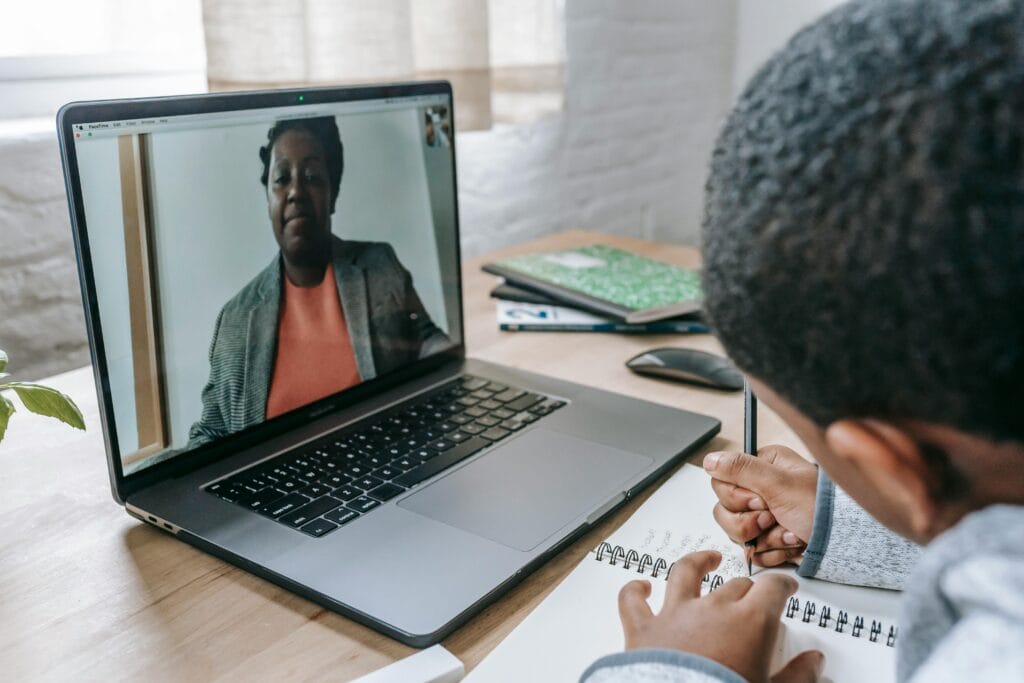
Being a student in South Africa is expensive. Between tuition, transport, rent, and just trying to enjoy a little social life, money disappears fast. That’s why more and more students are looking into side hustles — small jobs or gigs that can bring in some extra cash without completely ruining your study time.
The good news? There are plenty of side hustle ideas that don’t need a lot of money to start, and some can even grow into full-time businesses. Below we’ll look at practical options for students, things to consider before starting, and how to avoid burning out while juggling studies and work.
🎓 Why Side Hustles Make Sense for Students
Side hustles aren’t just about making rent money. They can teach you real-world skills, give you experience to add to your CV, and even connect you with people in your field. In South Africa’s tough job market, having something extra on your resume (like freelancing, tutoring, or even running a small business) can make you stand out. Plus, it feels good knowing you don’t have to phone home every month begging for airtime money.
Thabo, 3rd Year Accounting Student
“Honestly, I didn’t think I had time for anything besides lectures, but I started tutoring high school learners on weekends. It’s not only helped me make some extra cash, but it also made me revise concepts I forgot. It’s not a huge business, but it keeps me going and I feel more independent.”
💼 Popular Side Hustle Ideas in South Africa
Here are some side hustles that work well for students in Mzansi:
- Tutoring: If you’re strong in maths, science, or languages, you can tutor high school kids. Parents are willing to pay for extra help, especially for matric students.
- Freelancing: Platforms like Upwork or Fiverr let you earn from writing, design, coding, or even social media work. All you need is a laptop and Wi-Fi.
- Delivery Apps: Services like Mr D or Uber Eats always need drivers/riders. If you have a car, scooter, or even a bicycle, this can bring in decent money during evenings.
- Social Media Management: Small businesses often don’t have time to run their Instagram or TikTok pages. Students who understand trends can easily take this on.
- Photography & Videography: Got a decent phone or camera? People pay for content — birthday shoots, events, even product photos for small brands.
- Campus Services: Printing assignments, braiding hair, selling snacks — these small hustles might sound simple, but they’re tried and tested on campuses across SA.
Ayesha, Media and Communication Student
“I’ve always loved photography, so I started covering small events and doing portraits for students. It started as a side hustle but now I get proper bookings. It feels good to know that a hobby can actually pay for some of my groceries and data.”
📊 Quick Comparison of Side Hustles
| Side Hustle | Startup Cost | Flexibility | Earning Potential |
|---|---|---|---|
| Tutoring | Almost none | High | R150–R300/hr |
| Freelancing | Laptop + Wi-Fi | Medium–High | Depends on skills |
| Delivery Apps | Car/Scooter | Medium | R3000–R8000/month |
| Social Media Management | Phone + Creativity | High | R2000–R5000/month |
| Campus Services | Very Low | High | Small but steady |
⚖️ Balancing Side Hustles and Studies
The danger with side hustles is burning out. Yes, money is important, but remember you’re a student first. If you fail your modules because you were too busy doing deliveries or freelancing all night, the hustle loses its purpose.
Time management is key. Choose flexible gigs, set working hours, and don’t be afraid to say no when things pile up. Also, remember to rest — no hustle is worth your mental health.
How to Save Money on Textbooks and Study Materials
If you’ve just started university or college in South Africa, you already know the pain of textbook prices. One semester in and you feel like you’ve spent a small fortune on books you’ll probably use only once. But here’s the thing—there are ways to cut down costs without risking your grades. You don’t have to go broke just to stay on top of your studies. Let’s break down some practical (and very doable) ways to save money on textbooks and other study materials.
1. Buy Second-Hand Books
Second-hand books are a lifesaver. Check out campus noticeboards, WhatsApp student groups, or sites like Gumtree and OLX. Many students sell last year’s textbooks for half the price (sometimes less). Sure, the corners might be a bit bent and you might find some highlighted notes, but that’s honestly part of the charm—it’s like getting study hints for free.
2. Swap or Share with Friends
Why buy every single textbook when your friends might already have them? Create a small book-swap circle. Maybe you take Accounting, and your friend takes Psychology—swap when needed. If two of you need the same book, split the cost and share. It takes a little teamwork, but it saves big bucks.
Lerato, Law Graduate
“If I had bought all my textbooks brand new, I don’t think I’d have survived financially. I borrowed from seniors, used online PDFs when available, and even shared books with friends. It wasn’t perfect, but it saved me thousands of rands that I used for rent and transport instead.”
3. Use Your University Library
This one sounds obvious, but a lot of students overlook it. University libraries often have multiple copies of textbooks. Some are even available as e-books. You can borrow them, scan the sections you need, or just use the study space to read. Bonus: you avoid the distractions of studying in your noisy res room.
4. Go Digital (E-books & PDFs)
Instead of spending R1,000+ on a printed textbook, check if there’s a digital version. Websites like VitalSource or even Amazon Kindle often sell textbooks at a fraction of the price. Some modules also use open-access study materials, which means free downloads. Just be careful of dodgy websites promising “free” textbooks—they’re often scams or unsafe.
5. Compare Prices Before Buying
Don’t just walk into the campus bookstore and buy everything at once. Shop around. Sometimes Takealot, Loot, or even smaller bookshops have better prices. A quick Google search can save you hundreds of rands.
6. Photocopy Only What You Need
If a textbook is ridiculously expensive and you only need two or three chapters—don’t buy the whole thing. Borrow it from a library or a friend and photocopy the sections you’ll actually use. It’s a bit old-school, but it works.
7. Check Student Forums & Facebook Groups
Facebook groups for students in South Africa are goldmines for cheap textbooks. Seniors are often eager to sell their books before moving on, and they usually list them online. Some even give them away for free—just to clear space.
8. Sell Your Old Textbooks
Don’t let last year’s textbooks collect dust. Sell them to incoming students and use that money to fund your new books. It’s like recycling money—one person’s old Economics 101 is another person’s survival tool.
9. Use Open Educational Resources (OER)
Some universities are moving towards OER—basically free learning materials created by academics. These are legit resources and can sometimes replace costly textbooks. Ask your lecturers if they know of any open-access materials for your subject.
10. Don’t Rush to Buy Everything
In your first week of class, it’s tempting to buy every book listed on the course outline. But wait. Sometimes lecturers don’t even use the recommended book, or they upload free lecture slides that cover the same content. Attend your first few lectures, then decide which books you actually need.
Final Thoughts
Textbooks shouldn’t be the reason you go broke as a student. Between libraries, second-hand options, and digital resources, there are plenty of ways to cut down on costs. The trick is to plan smartly, buy only what you truly need, and make use of the resources already around you.
Remember: your degree is the investment, not the overpriced textbook gathering dust after the semester ends.
💡 Frequently Asked Questions (FAQs)
Side Hustle Ideas for South African Students
1. Can I balance a side hustle with my studies?
It’s possible if you stay disciplined. Choose flexible gigs like freelancing or tutoring rather than something with strict shifts.
Keep your degree the main focus — the hustle is there to support you, not to take over your life.
2. Do I need money to start a side hustle?
Not really. Many side hustles just need your skills, time, and internet. Things like tutoring, freelancing, or social media work require zero start-up cash.
If you’re selling items or baking, you might need a small budget, but you can still start small.
3. Which side hustles are most practical for students?
Tutoring high school kids, freelancing online, thrift flipping, social media managing, or even simple retail part-time jobs.
It depends on your schedule and strengths, but South African students usually start with something low-cost and flexible.
4. How much money can I expect to make?
Tutoring can pay between R100–R200 an hour, freelancing depends on skill level, and selling items varies with demand.
It won’t make you rich overnight, but it’s enough to cover data, transport, groceries, or save for bigger things.
5. How do I avoid scams when looking for online work?
Rule number one: never pay to get a job. If a listing promises unrealistic money for little effort, stay away.
Stick to known platforms like Fiverr, Upwork, or TutorMe, and always do a background check before joining.
How to Save Money on Textbooks and Study Materials
1. Are second-hand textbooks worth it?
Definitely. They’re usually way cheaper, and most are still in great condition.
Many campuses even have book exchanges or Facebook groups where students sell last year’s books at a fraction of the cost.
2. Where can I find free or cheap study resources?
Try online libraries, open-source platforms like Project Gutenberg, and even university portals where professors upload material.
Many courses also share free PDFs and lecture slides, so you don’t always need the full-priced book.
3. Should I buy digital versions of textbooks?
Yes, if you’re comfortable reading on a screen. E-books are usually cheaper, and you can carry them all on your phone or laptop.
The downside is screen fatigue, but the savings can be worth it.
4. Is it smart to share textbooks with a friend?
100%. If you’re in the same course, you can split the cost and take turns using it.
Just make sure you set clear rules so nobody ends up with the book during exam week while the other struggles.
5. What should I avoid when trying to save money?
Don’t wait until the very last minute to buy — prices go up and stock runs out.
Also avoid dodgy pirated downloads; not only is it risky, but some files are full of viruses.
Stick to safe and reliable options.